
Innovation
Turn more ideas into products customers want.
I help organizations move from talk and decks to validated ideas, workable experiments, and programs that turn hard projects into real offerings.

Bring a stuck idea, a thin innovation pipeline, or a project people already call impossible. We start with a conversation.
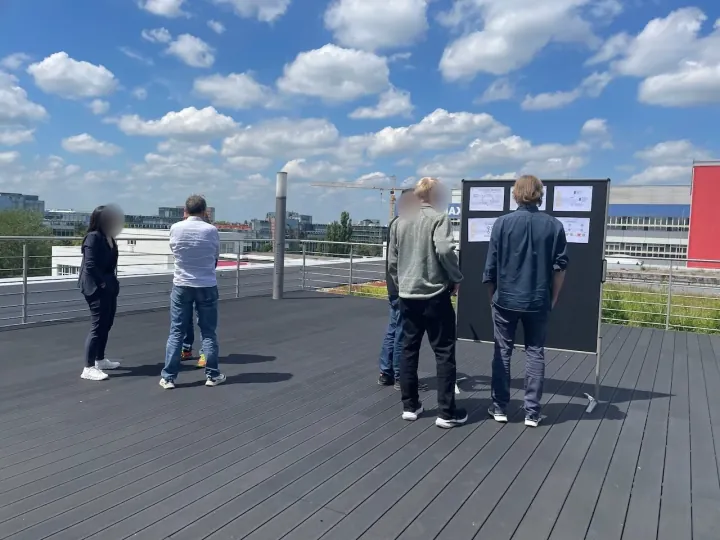
“We have plenty of ideas. Almost nothing customers will pay for.”
“If this fails, someone gets burned. So nobody takes a real risk.”
“Every experiment has to look like core-business ROI.”
“That project's impossible. So we never start.”
“People won't say what's broken. It isn't safe.”
When innovation stalls, ideas are rarely what's missing.
Underneath is usually how failure, incentives, and measurement are set up—and whether anyone is allowed to try what still looks impossible.
-
Failures are quietly punished, so people learn to avoid risk. Without room to fail, there is little room to innovate.
-
The company is built for exploitation, then tries exploration—and judges it with exploitation KPIs.
-
People said a project was impossible—until someone who did not accept that story simply began.
-
Organizations hunt for average outcomes when innovation follows a power law: a few bets matter out of all proportion.

Case study
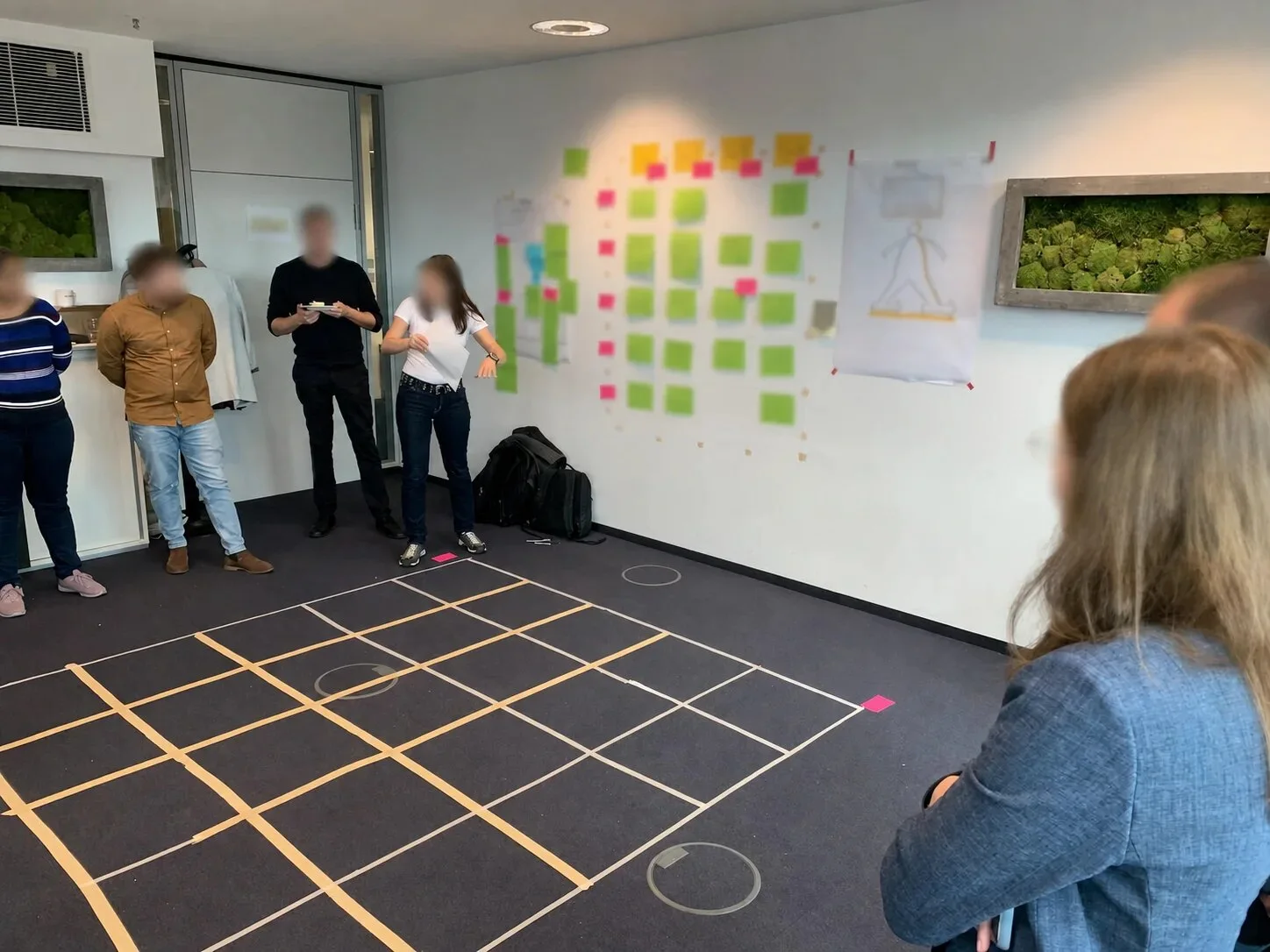
At Mainova, customers asked to buy—even before the product existed.
An internal team built an innovation lab with Matthias. Within weeks they were testing with real customers; one direction produced people asking when they could buy. The team kept running the lab after the engagement. Longer Silicon Valley Alliances innovation programs have a multi-year history of projects once called impossible later becoming real initiatives; Matthias co-facilitates those programs with colleagues and does not claim sole credit for historical results.
Read the Mainova story →Let's start working together.
Some organizations begin with a short workshop. Others need months of program work. We decide together before anything is locked in.
Make the impossible possible
A workshop that takes projects people treat as impossible and turns them into concrete next moves, experiments, and ownership.
Discuss this workshop →A short design-thinking teaser
A compact virtual session, often around three hours, to give people a lived experience of customer-centered innovation before a larger commitment.
Discuss a teaser →Focused multi-day workshops
Three- or four-day workshops for teams that need concentrated time to frame, test, and advance innovation work.
Discuss a multi-day workshop →Longer innovation programs
Extended programs with Silicon Valley Alliances colleagues, where leaders develop demanding innovation projects over months with workshops and peer support.
Discuss a program →Leadership coaching for innovation
Help leaders create the conditions where people can explore, decide, and ship new work without waiting for permission forever.
See 1:1 coaching →Something else is fine when none of these fit cleanly.
If you want the thinking behind this
In Silicon Valley I worked with Stanford and Berkeley researchers and startups to discover technologies and future markets for clients. I also write about what innovation needs in practice—psychological safety, room for impossible goals, and portfolio choices that leave breakthroughs a real chance. These pieces go deeper than a landing page can.
What innovation work do you want to make real?
Tell me about the ideas sitting still, the project people avoid, or the capability you want to build. We can choose a useful next step together.